
Best VR Headset for Sim Racing 2026: iRacing & ACC Picks
Last updated: October 23, 2026
Part of our Best VR Headsets buyer's guide.
The best VR headset for sim racing in 2026 is the Meta Quest 3 at $599, which pairs sharp lenses with easy PC connection and is where most sim racers start. Enthusiasts chasing maximum clarity and contrast move up to the Pimax Crystal Light, while the ultralight Bigscreen Beyond 2 is the comfort pick for long endurance stints. All three need a gaming PC. Here is what matters behind the wheel, and our picks for iRacing, ACC, and Assetto Corsa.
What matters for sim racing

Sim racing asks different things of a headset than most VR. Clarity: you need to read braking markers and car numbers at distance, so resolution and pixels per degree are king. Field of view: a wider view lets you use peripheral vision through a corner. Refresh rate: high and steady keeps fast motion smooth and your stomach settled. Comfort: races run long, so a light headset matters. Notably, controller tracking does not matter much, because you race seated with a wheel, which means base-station headsets are perfectly fine here.
1. Meta Quest 3, the best value and best place to start

The $599 Quest 3 is how most people should get into VR sim racing. Hooked to a gaming PC over a Link cable, or wirelessly through Air Link, Steam Link or Virtual Desktop, it runs iRacing, ACC, and Assetto Corsa in VR with sharp pancake lenses and a solid field of view. Clarity is genuinely good for the money, setup is simple, and you can use the same headset for everything else in VR. Only step up if you want the last few percent of distance clarity. It is also our overall best VR headset pick.
2. Pimax Crystal Light, the enthusiast's choice
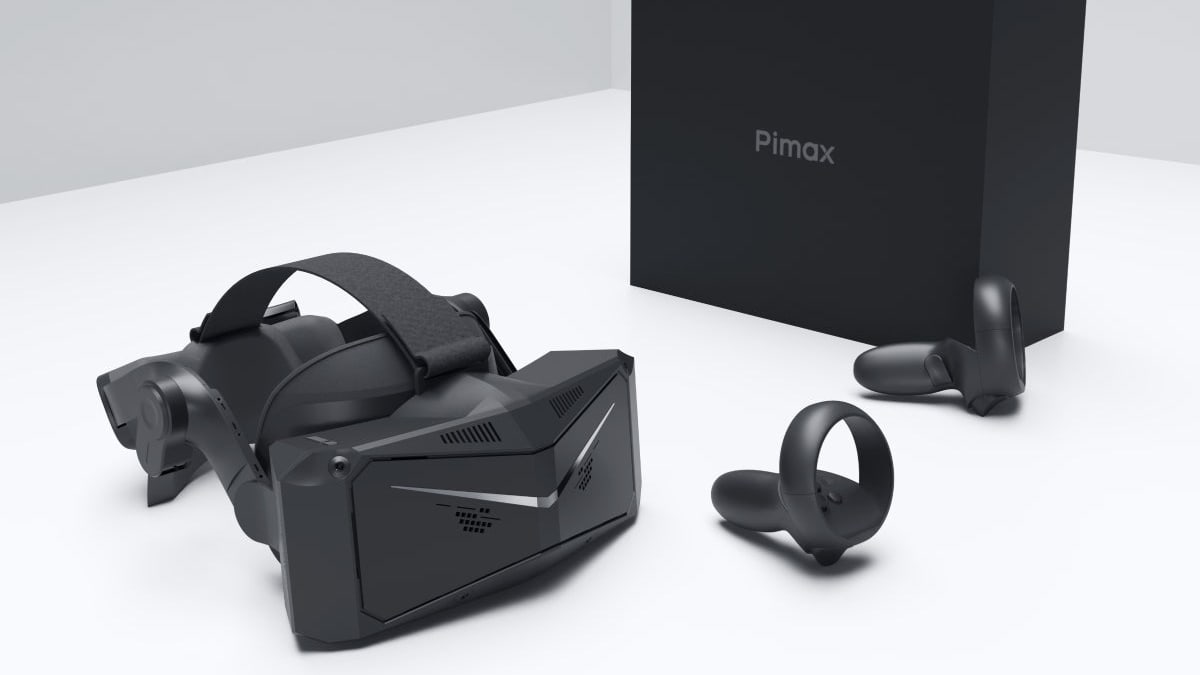
Ask a serious sim racer what they run and the Pimax Crystal Light comes up again and again. It offers very high per-eye resolution, a 110-degree horizontal field of view, local dimming for better contrast, and glass aspheric lenses that stay sharp to the edges, exactly the traits that let you place a car on track and brake later with confidence. It costs more, needs a strong GPU, and is a more involved setup, so it is for the committed. See where it ranks among PC headsets in our best PC VR headset guide.
3. Bigscreen Beyond 2, the comfort pick for endurance
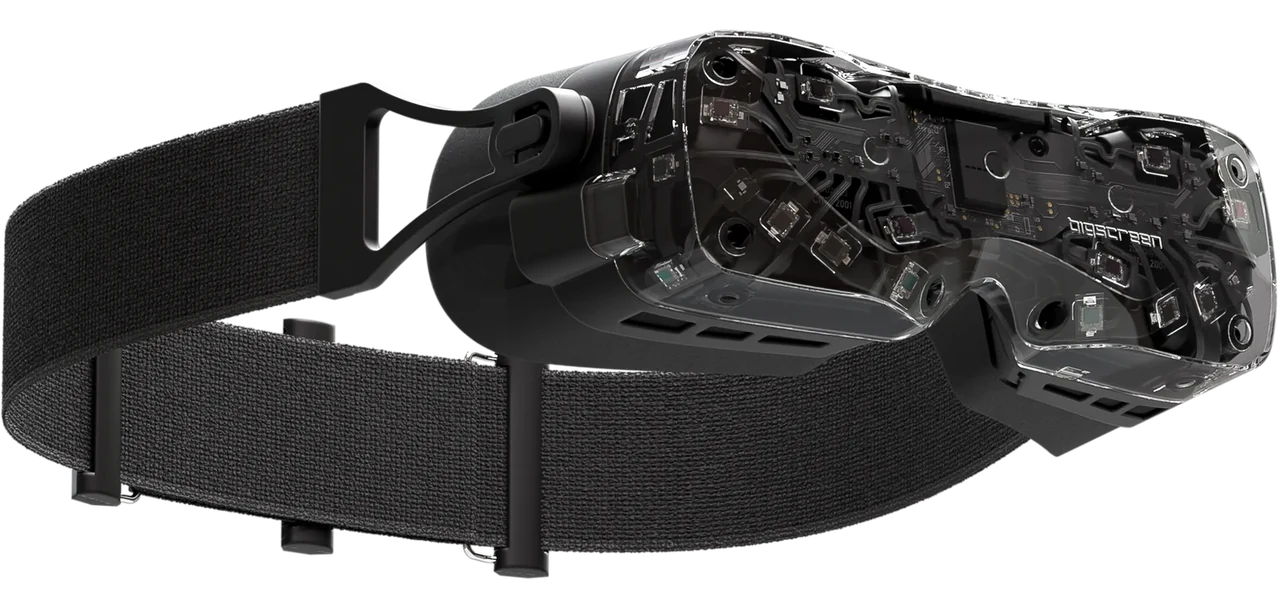
For long stints and endurance races, weight wins, and nothing is lighter than the Bigscreen Beyond 2. It is a tiny 107-gram headset with razor-sharp micro-OLED clarity, so an hour-long race never wears on your neck. Its field of view is a touch narrower than the Pimax (108 degrees horizontal by Bigscreen's figure, 110 by Pimax's) and it needs SteamVR base stations and a capable PC, but for comfort plus clarity it is hard to beat. Since August 31 it starts at $959 with the Universal-Fit Light Seal, which Bigscreen says may not suit every face without its Halo Mount; the Universal-Fit Cushion makes it $979 and the face-scanned Custom-Fit Cushion $1,019 (our coverage). It is a true enthusiast tool rather than a first headset.
Worth watching in the same ultralight class: the Pimax Dream Air SE, a micro-OLED headset under 140 grams that Pimax is now selling after a long preorder queue. Read the price carefully. The $899 version is headset only and tracks with SteamVR base stations, same as the Beyond 2. The version that skips base stations, with inside-out SLAM tracking and controllers, costs $1,199.
Also coming: the Pimax Crystal Pro, announced October 6 at $1,399 with the Crystal Light's 2880 x 2880 per-eye resolution plus eye tracking and wireless streaming. The 60GHz wireless kit is another $599, and Pimax's FAQ says shipping starts in spring 2027 (our coverage). If you race now, the Crystal Light is the same resolution today.
What about the Steam Frame?
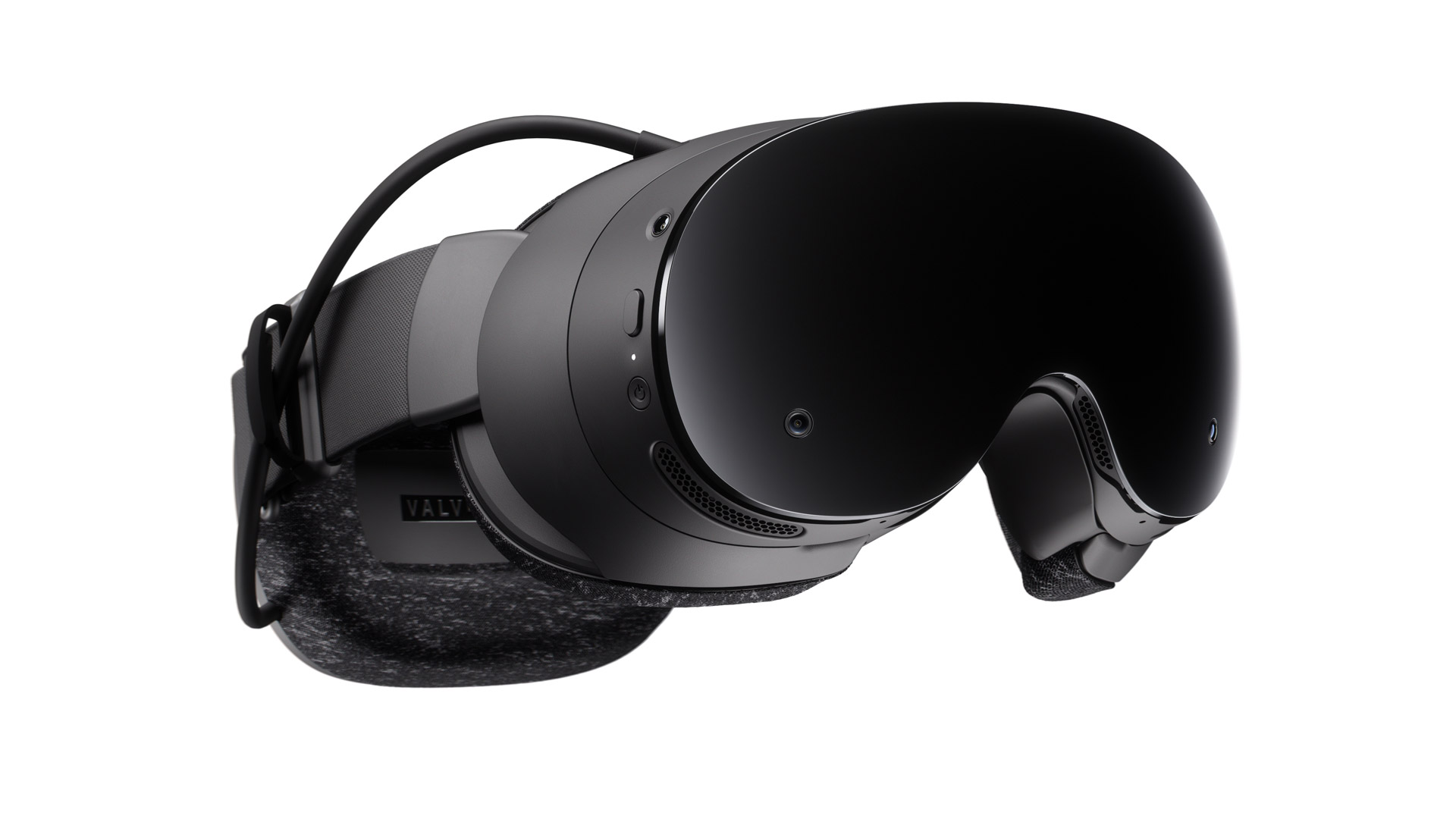
Valve's Steam Frame launched September 14 at $1,059, and on paper it suits a cockpit: it streams from your PC over a dedicated 6GHz adapter, so there is no cable to snag on the wheel. Road to VR's review found the stream close enough to a tether that most people could not tell the difference by latency or fidelity. The same review measured a slightly narrower field of view than the Quest 3 (103 degrees diagonal against 107), gave the Quest 3 a small edge in clarity, and clocked battery life at one to one and a half hours in mixed use, which matters more in an endurance stint than almost anywhere else. At 440 grams by Valve's figure (Road to VR weighed 435) against the Quest 3's 515, with the battery at the back, it is the lighter headset. We have not found published sim-racing testing yet, and your PC still does all the rendering. Getting one is slow, too: Valve told reservation holders on October 9 that their order email arrives either by December or in 2027, and anyone signing up now joins a waitlist behind them. It stays off our list until racing impressions arrive. Our launch coverage has the full pricing.
A note on your PC
VR sim racing is demanding to render, so the headset is only half the equation. An RTX 4070 Super is the practical floor, and Pimax puts it in its recommended Crystal Light tier, which it says gets flight and racing sims to medium graphics quality with tuning; its best-experience tier starts at the RTX 4070 Ti. New ones are getting scarce, though: on October 20, videocardprices.com showed a new 4070 Super at $969, still more than a new RX 9070 XT. The current sweet spots are the RTX 5070 Ti and AMD's Radeon RX 9070 XT, and the 9070 XT is the one to watch: the same tracker shows it jumping from about $815 to $900 on October 16. Fair warning: the memory crunch that is delaying headsets has inflated GPU prices too, so a good card at list price is a buy, not a wait. Budget for the PC as much as the headset, and you will have a setup that makes flat-screen racing hard to go back to.
Six sims worth racing in VR
Each of these lists VR support on its Steam page and runs on a gaming PC, so any headset on this page can drive it. They are not interchangeable, though. Pick the one that matches the racing you actually watch.
iRacing

Where a lot of sim racers end up once they want real opponents. iRacing is a membership rather than a one-off purchase, and the draw is organized, scheduled racing against people: its Steam page lists 40 official series and over 800 private leagues, with cars from NASCAR and World of Outlaws dirt racing to Aussie Supercars and Grand Prix machinery.
Assetto Corsa Competizione

The official GT World Challenge game, and it does one thing. Every car is a GT3 car, raced against the championship's real teams and circuits in sprints, endurance races and the Spa 24 Hours. If GT3 is your class, nothing here goes deeper.
Le Mans Ultimate
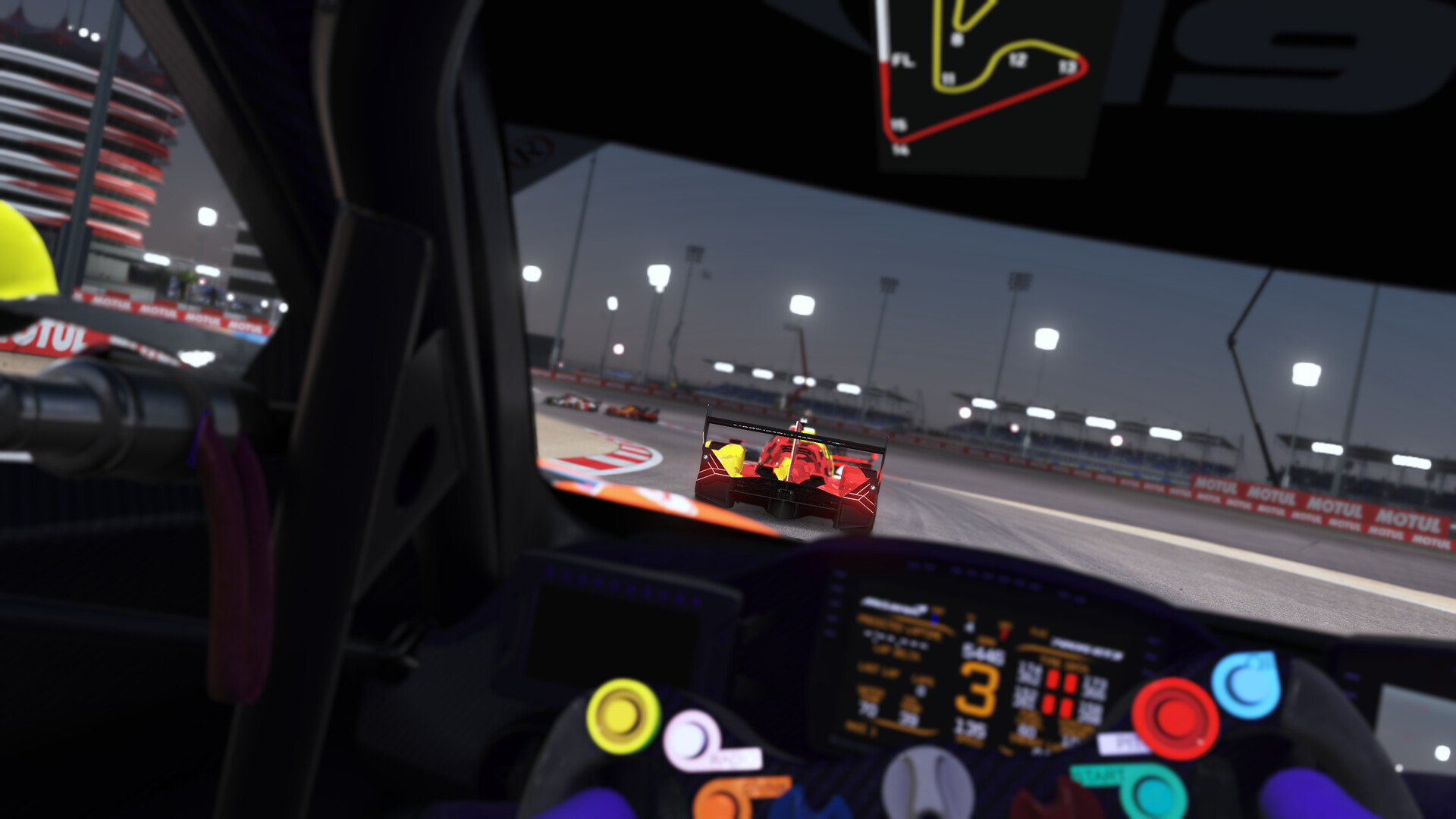
Studio 397's official game of the FIA World Endurance Championship and the 24 Hours of Le Mans, and it is built for the long haul. The base game has 19 cars across Hypercar, LMP2, LMGT3 and LMGTE and seven laser-scanned tracks, and it supports mid-race saves, which matter more than they sound when the race is longer than your headset's comfort window. VR is on its feature list by name.
Automobilista 2

Reiza Studios' sim covers decades of motorsport, from classic open-wheelers to modern GT cars, and its store page claims “the best VR support” of any racing game. That is the developer's word, but it is also the cheapest way onto this list right now: on October 23 Steam had it at $11.99, 70 percent off its $39.99 list.
Assetto Corsa EVO

Kunos' successor to the original Assetto Corsa is still in Early Access, and the studio calls VR a “first-class feature” of its new engine. Road cars sit alongside race cars, from a Mazda MX-5 Cup car to a Ferrari F40, which makes it the one for drivers who care about cars they could actually buy. Expect it to keep changing until the 1.0 release.
DiRT Rally 2.0
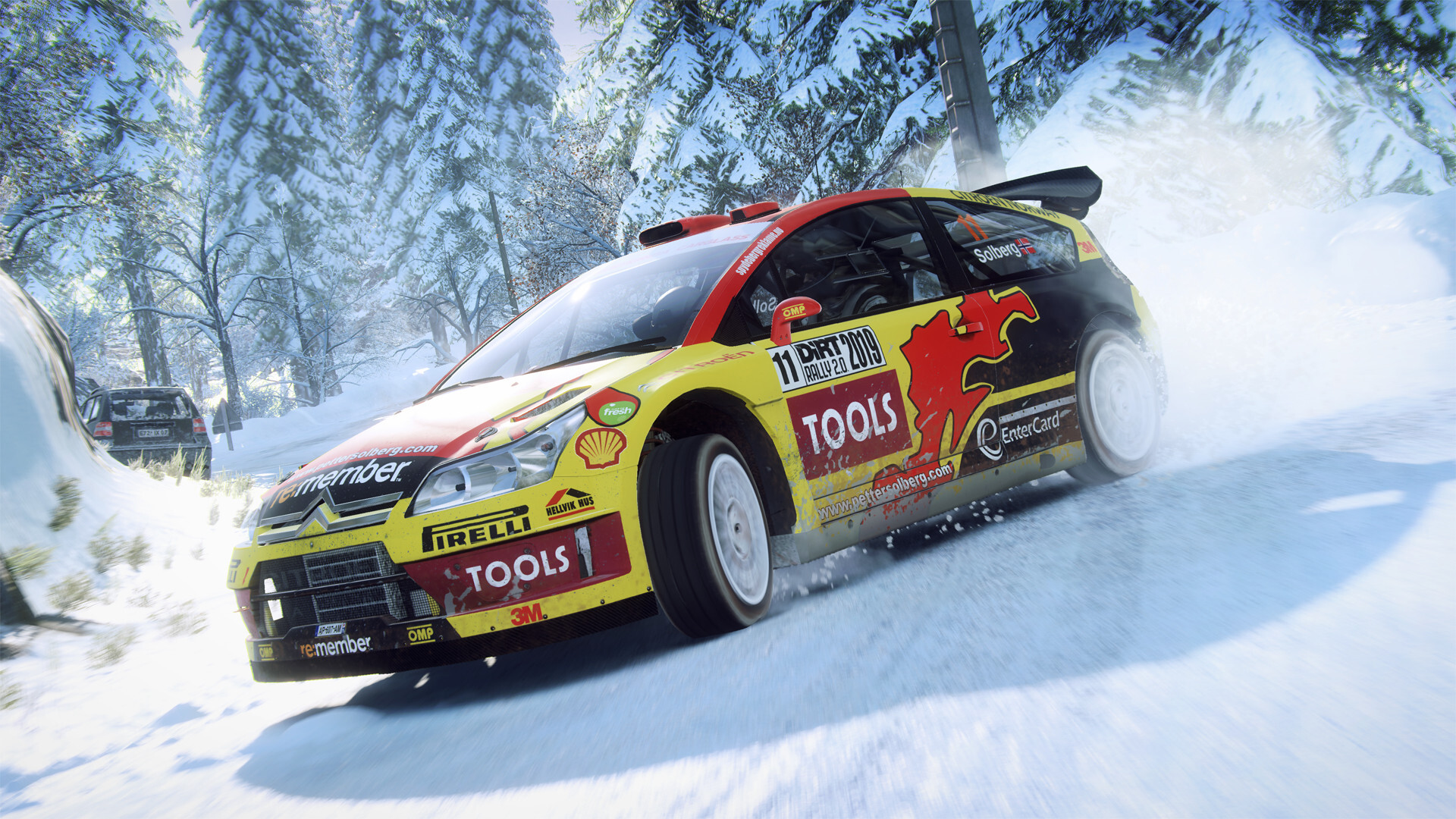
The rally pick, and the one that is hardest to play calmly in a headset. Codemasters' stages run through New Zealand, Argentina, Spain, Poland, Australia and the USA with nothing but your co-driver's calls to go on, and in VR the trees arrive a lot faster than they do on a monitor.
On a PS5 instead? Gran Turismo 7 is the racing game PS VR2 owners buy, and Sony's own page for it has a section on playing it in the headset. It is a PS5 game, so Sony's PC adapter does not bring it to a gaming PC.
Sim racing headsets compared
| Headset | Price | Best for |
|---|---|---|
| Meta Quest 3 (512GB) | $599 | Best starting point, sharp lenses, easy PC link |
| Pimax Crystal Light | $899 | Enthusiast clarity and a wide field of view |
| Bigscreen Beyond 2 | $959 | Comfort over long stints, ultralight at 107 grams |
| Pimax Dream Air SE | From $899 | Under 140 grams, micro-OLED; the $1,199 SLAM version skips base stations |
| PlayStation VR2 | $399 list, no new US stock | OLED for PS5 racing, or PC through the $59.99 adapter, if you can find one |
VR headsets for sim racing and flight sim, with prices from the VR.org deals tracker. All need a gaming PC, so budget for a strong GPU too.
Frequently asked questions
What is the best VR headset for sim racing?
For most sim racers the Meta Quest 3 at $599 is the best VR headset, because it is sharp, affordable, and connects to a gaming PC over a Link cable or wirelessly. Enthusiasts who want the clearest possible view of distant apexes and braking points step up to the Pimax Crystal Light for its higher resolution and local dimming, or the ultralight Bigscreen Beyond 2 for long stints. All three need a capable gaming PC.
Do you need a PC for sim racing in VR?
Yes. Sim racing titles like iRacing, Assetto Corsa Competizione, and Automobilista 2 run on a gaming PC, so you need a PC VR setup. A standalone headset like the Quest 3 connects to that PC over Link, Air Link, Steam Link, or Virtual Desktop, while dedicated headsets like the Pimax Crystal Light and Bigscreen Beyond 2 plug straight in. Because VR is demanding, a strong graphics card makes a big difference: an RTX 4070 Super is the practical floor, with the RTX 5070 Ti or Radeon RX 9070 XT the current sweet spots. Note that GPU pricing is unusually volatile through the current DRAM cycle, so check the live price before committing to a card tier.
What matters most in a sim racing VR headset?
Clarity and field of view matter most. You need enough resolution and pixels per degree to read distant braking markers and car numbers, and a wide field of view to use your peripheral vision through corners. A high refresh rate keeps fast motion smooth and comfortable. Controller tracking barely matters, since you race seated with a wheel, so even base-station headsets that need external sensors are fine for sim racing.
Is the Quest 3 good enough for sim racing?
Yes, and it is where most people should start. Connected to a gaming PC, the Quest 3 has sharp pancake lenses and a good field of view, and it runs iRacing, ACC, Le Mans Ultimate and the other big PC sims in VR. Its clarity is excellent for the price, and wireless play through Virtual Desktop is convenient. You only need a pricier headset like the Pimax Crystal Light if you are chasing the last bit of distance clarity and contrast.
Is Pimax or Bigscreen better for sim racing?
It depends on your priority. The Pimax Crystal Light wins on outright resolution and edges it on field of view (110 degrees horizontal by Pimax's figure, 108 by Bigscreen's), which helps you read detail at distance, making it the favorite of many dedicated sim racers. The Bigscreen Beyond 2 wins on weight and comfort, since it is feather-light for multi-hour endurance races, with superb clarity over a slightly narrower view. The Beyond 2 needs SteamVR base stations, while the Crystal Light tracks itself with built-in cameras and ships with two controllers. Both need a strong PC.